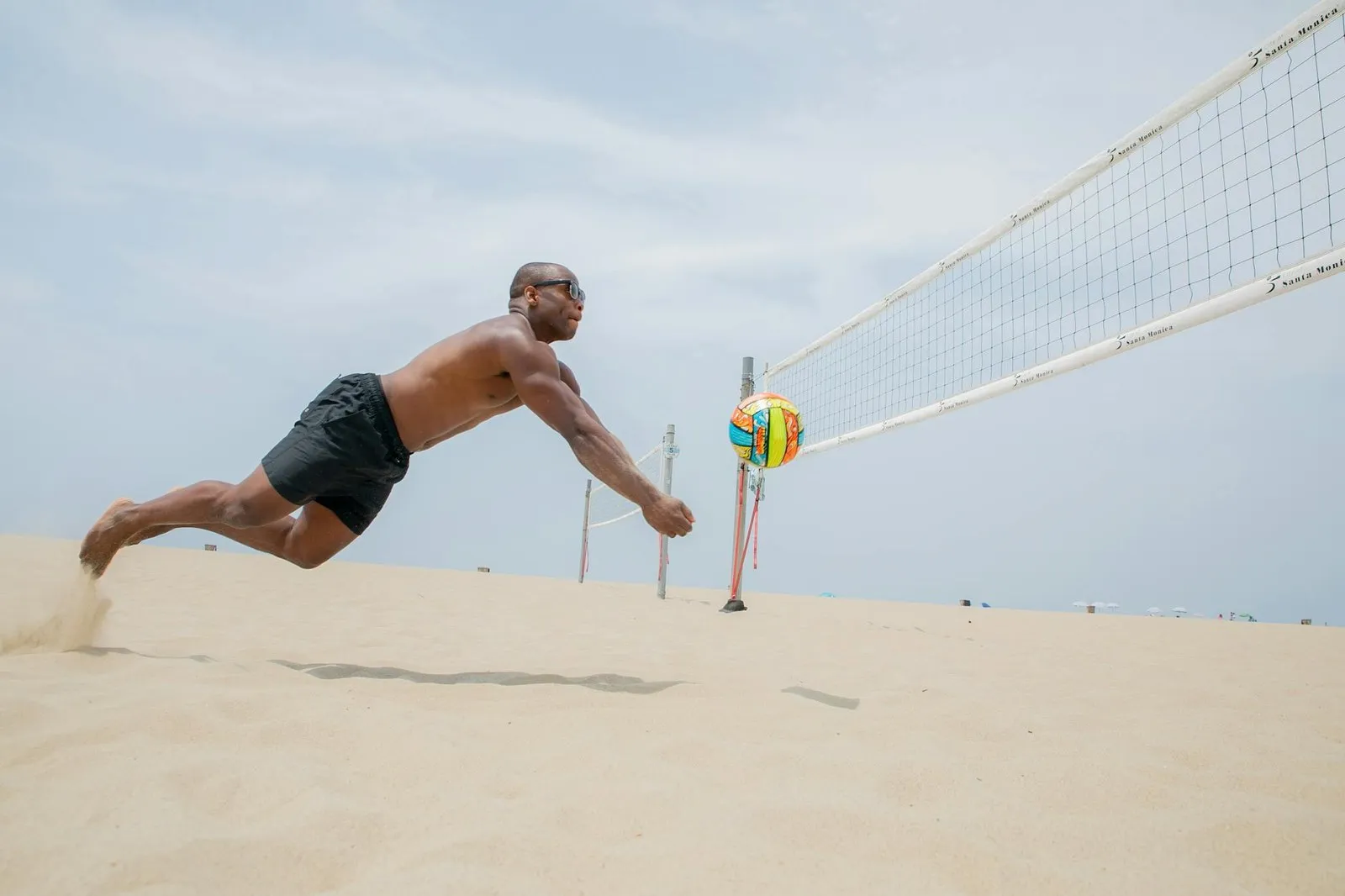
Best Volleyball Knee Pads in 2026: 8 Top Picks
We compared 32 volleyball knee pads on five criteria — fit, slide protection, low-profile design, durability, and breathability — and ranked the top 8 for 2026.
Compare Top Volleyball Knee Pads in 2026
Side-by-side specs, ratings, and where to buy.
| Image | Rank | Product | Best For | Rating | Verdict | Where to buy |
|---|---|---|---|---|---|---|
 | 1 | Mizuno Mizuno LR6 Volleyball Kneepad | best overall volleyball | VS-1 padding in the high-impact zone | $29.99Price as of Oct 28, 2026, 13:34 UTC As an Amazon Associate, BestKneePad earns from qualifying purchases. Check Price on Amazon | |
 | 2 | Mizuno Mizuno T10 Plus Kneepad, Adult Volleyball Kneepad | best for hitters volleyball | High-density foam padding | $19.99Price as of Oct 28, 2026, 13:34 UTC | |
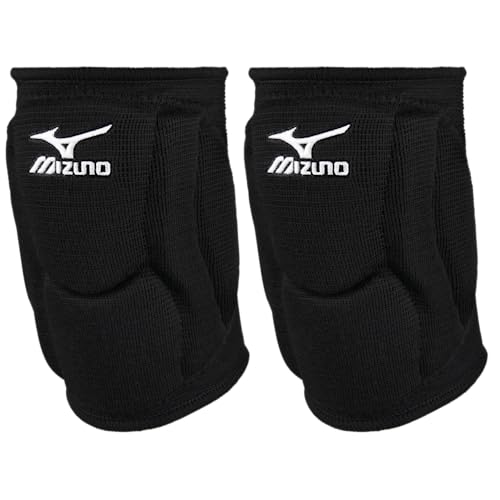 | 3 | Mizuno Mizuno Elite 9 SL2 Volleyball Kneepad | best for outdoor volleyball | Shock-absorbing cushioning pads | $30.00Price as of Oct 28, 2026, 13:34 UTC | |
 | 4 | Mizuno Mizuno LR6 Pro ECO Volleyball Knee Pads | best modern dancers | Tri-density padding zones | $40.00Price as of Oct 28, 2026, 13:34 UTC | |
 | 5 | ASICS ASICS Ace Low Profile Knee Pad | best low profile volleyball | Low-profile volleyball knee pad | $27.95Price as of Oct 28, 2026, 13:34 UTC | |
 | 6 | Nike Nike Unisex Streak Volleyball Knee Pad | best for liberos volleyball | Foam padding with stretch fabric | $23.99Price as of Oct 28, 2026, 13:34 UTC | |
 | 7 | Nike Nike Essentials Dri-FIT Volleyball Knee Pads | best for beginners volleyball | Foam padding to cushion the knees | $29.00Price as of Oct 28, 2026, 13:34 UTC | |
 | 8 | Under Armour Under Armour Strive 3 Volleyball Knee Pads | best budget volleyball | High-abrasion pad cover for durability and sliding | $32.39Price as of Oct 28, 2026, 13:34 UTC |
The best knee pads for volleyball protect the patella from repeated floor contact without changing how you move. After comparing 32 current models on five criteria — padding and coverage, exterior fabric and how it slides, sleeve compression, fit, and breathability — using manufacturer listings and verified-purchase owner feedback, eight earned a place on this list.
Volleyball pads are unusual gear. Unlike skate or work pads, they are sleeves first and impact pads second. Most players wear them for 90 to 180 minutes of practice, four or more times a week. Stack rank, shock attenuation, and how the pad behaves on the second slide of a long rally are what separate a $20 pad from a pad you forget you are wearing.
We weighed each pad against the demands of every position: outside hitters who jump and land hundreds of times per session, liberos who pancake into the floor, and middle blockers who slide laterally to chase tips. The picks below reflect that mixed load.
Quick comparison
| Pad | Best for | Padding (per listing) | Sleeve length | Sizing / sold as |
|---|---|---|---|---|
| Mizuno LR6 | Best overall | VS-1 padding in the high-impact zone | 6 3/4 in | Medium (linked listing); pair |
| Mizuno T10 Plus | Best for hitters | High-density foam | Not published by Mizuno (“long sleeve”) | One size, 12–17.5 in knee; 2-pack |
| ASICS Ace Low Profile | Best low-profile | Dual-density padding (ASICS) | 6 in (ASICS) | One size; pair (ASICS) |
| Nike Streak | Best for liberos | Foam padding | Not published by Nike | XS/S 14–15.5 in, M/L 15.5–17 in, XL/2XL 17–18 in thigh |
| Nike Essentials (Dri-FIT) | Best for beginners | Foam padding | Not published by Nike | XL/XXL (linked listing); pair |
| Mizuno LR6 Pro ECO | Best premium | Tri-density zones, energy-return materials | Not published by Mizuno | S, M, L (Mizuno); linked listing is women’s S |
| Under Armour Strive 3 | Best budget | McDavid HEX 8 mm dual-density pads | Not published by Under Armour | SM 13–14.5 in, MD 14.5–15.5 in, L 15.5–16.5 in knee (UA) |
| Mizuno Elite 9 SL2 | Best for outdoor | Shock-absorbing, articulated padding zones | 7 in (Mizuno) | S, M, L (Mizuno); linked listing is M |
Specs: manufacturer-listed (Amazon product listing or brand site), checked Oct 2026. Nothing in this table was measured by us.
How we compared
Five criteria, weighted equally — all drawn from manufacturer listings and owner feedback rather than hands-on testing.
Fit and migration. Sleeve design, hem construction, and what owners report about the sleeve sliding down the leg during play.
Pad coverage and impact. What the listing says about padding and coverage at the patella and the sides of the knee.
Slide behaviour. Exterior fabric and owner feedback on how the pad behaves on hardwood — it has to brake a controlled slide without grabbing the floor when the player rotates.
Compression. Sleeve construction and what owners report about the sleeve holding its fit through repeated washing.
Breathability. Fabric and venting details from the listing, and owner feedback on heat build-up behind the knee during long sessions.
1. Best overall — Mizuno LR6
The LR6 is Mizuno’s core volleyball knee pad. Mizuno puts its VS-1 padding in the high-impact zone and gives complete patella, lateral and medial protection — the front and both sides of the knee. The sleeve is a low-rise, no-fold design with a 6 3/4 in length, cut on Mizuno’s DynaMotion Fit patterns for freedom of movement.
It is sold as a pair, in a polyester, rayon and elastic blend. The short, low-rise sleeve is the reason it suits most positions: it covers the knee without running far down the shin.
Pros
- VS-1 padding in the high-impact zone
- Patella, lateral and medial coverage
- Low-rise, no-fold 6 3/4 in sleeve
- Sold as a pair
Cons
- Mizuno doesn’t list a pad thickness, so it’s hard to compare cushioning directly
- Players who land hard and often may want the T10 Plus below
Best for setters, middles and outside hitters from high school through college. Players who want more padding should look at the T10 Plus.
2. Best for hitters — Mizuno T10 Plus
The T10 Plus is Mizuno’s high-density foam pad, with padding placed where players make floor contact on dives and slides. The outer sleeve is an abrasion-resistant polyester, rayon and elastic blend with moisture-wicking sleeve technology.
Sizing is one-size-fits-most for a knee circumference of 12 to 17.5 inches, and the pads come as a 2-pack.
Pros
- High-density foam padding
- Abrasion-resistant outer sleeve
- One size fits 12–17.5 in knees; sold as a pair
Cons
- One-size sizing won’t suit knees outside 12–17.5 in
- No pad thickness or sleeve length listed
Best for outside hitters and middles who land a lot of jumps and want firm, dense padding.
3. Best low-profile — ASICS Ace Low Profile
The Ace Low Profile is ASICS’s slim volleyball pad, for players who want a minimal pad under their shorts. As the name says, it is built for a low profile rather than maximum cushioning.
The Amazon listing gives no construction details beyond the name — no pad thickness, sleeve length or materials — so check ASICS’s own size chart before you order.
Pros
- Low-profile design
- From ASICS’s volleyball line
Cons
- The listing gives no specs: padding, length and materials aren’t listed
- Not the pick for players who hit the floor hard and often
Best for setters and hitters who rarely go to the floor and want the least bulk.
4. Best for liberos — Nike Streak
The Streak pairs foam padding that absorbs contact with stretch fabric that moves with the knee, plus Dri-FIT material to manage sweat. The contoured, breathable design is meant to stay in place through movement — which matters for liberos, who drop, slide and rotate within the same play.
Sizing goes by Nike’s thigh measurement just above the knee: XS/S (14–15.5 in), M/L (15.5–17 in) and XL/2XL (17–18 in). Note that this listing describes a youth-sized design with a snug fit, and suggests older players size up if unsure.
Pros
- Foam padding with stretch fabric
- Dri-FIT moisture management
- Contoured design to stay in place
Cons
- This listing describes a youth-sized design — adults should check the size guide and consider sizing up
- Low stock at the time of writing
Best for liberos and defensive specialists who need a pad that moves with them.
5. Best for beginners — Nike Essentials (Dri-FIT)
This listing is Nike’s Dri-FIT knee pad in the Essential style. It has foam padding to cushion the knees on hardwood, a contoured design that is soft on the inside, and Dri-FIT sweat-wicking fabric. It is unisex, breathable and sold as a pair.
It is a simple, comfortable first pad. Because the listing covers several Nike styles (Essential, Streak and Varsity), make sure you select the Essential option and the right size on the Amazon page.
Pros
- Foam padding with a soft, contoured inside
- Dri-FIT sweat-wicking fabric
- Unisex; sold as a pair
Cons
- No pad thickness or sleeve length listed
- One listing covers several styles — check you’ve selected the Essential
Best for first-year club players and recreational adults.
6. Best premium — Mizuno LR6 Pro ECO
The LR6 Pro ECO is Mizuno’s upgraded take on the LR6. Mizuno lists tri-density zones and energy-return materials in the padding, engineered ventilation, and a non-slip grip texture designed to keep the pad in place. It is made with recycled materials.
It costs more than the standard LR6. What you pay for is the multi-density padding and the ventilation, aimed at players who wear pads for long sessions.
Pros
- Tri-density padding zones with energy-return materials
- Engineered ventilation
- Non-slip grip texture; made with recycled materials
Cons
- Higher price than the standard LR6
- No pad thickness or sleeve length listed
Best for college and serious club players who want Mizuno’s premium padding.
7. Best budget — Under Armour Strive 3
The Strive 3 is a padded knee sleeve with McDavid HEX 8 mm dual-density pads, which Under Armour describes as waterproof, light and durable. A high-abrasion pad cover is there for durability and sliding, and a HeatGear lining adds breathability.
An interior silicone band helps the sleeve stay in place, and the low-profile design keeps it unobtrusive.
Pros
- McDavid HEX 8 mm dual-density pads
- High-abrasion pad cover for sliding
- Interior silicone band to stay in place
Cons
- Sleeve length isn’t listed
- Check the size options on Amazon before buying
Best for youth and middle-school teams, JV programs and recreational leagues.
8. Best for outdoor — Mizuno Elite 9 SL2
The Elite 9 SL2 combines shock-absorbing cushioning pads with articulated padding zones that give full lateral and medial coverage. Despite that coverage, Mizuno calls it a low-profile design.
The back of both knees is vented with air mesh, and slightly curved seams above and below reduce bulk behind the knee — useful in hot conditions, indoors or out. Mizuno doesn’t make specific outdoor or UV claims for it, so treat it as a well-ventilated, wide-coverage pad.
Pros
- Articulated padding with full lateral and medial coverage
- Air-mesh venting behind the knee
- Curved back seams for less bulk
Cons
- No outdoor-specific materials listed
- No pad thickness or sleeve length listed
Best for players who want side coverage and ventilation, including beach and outdoor players.
What to look for in volleyball knee pads
Pad thickness vs profile
Volleyball pads sit between 8 mm and 16 mm at the patella. Below 8 mm is a sleeve, not a pad. Above 16 mm is a basketball or skate pad and will catch on the floor during transition. The sweet spot for indoor play is 10 mm to 14 mm. Hitters who jump high and land hard sit at 12 mm to 14 mm. Setters and outside hitters who prioritize agility sit at 8 mm to 10 mm.
Sleeve length
Sleeves run six to nine inches. Six-inch sleeves end above the calf swell and below the patella. They sit inside high-cuff shoes and stay out of the way. Nine-inch sleeves cover the full patella, the surrounding tendons, and a portion of the upper shin. They are heavier and warmer but protect more.
The choice usually maps to position. Liberos and middle blockers prefer the longer sleeve. Setters and outside hitters often prefer the shorter sleeve.
Slide behaviour
This is the factor most volleyball-pad reviews ignore and the one that matters most for floor work. The pad’s exterior fabric needs to brake a controlled slide without grabbing the floor. Too slick and the pad slips out from under the player on a pancake. Too grippy and the pad grabs the floor on a controlled rotation and the player feels locked.
As a rule, tight weaves sit in the right range for indoor hardwood, slick low-profile fabrics slide more freely, and denser shells grip more.
Compression and the wash cycle
Volleyball pads get washed. A pad that loses its resting compression after a season of washing will start to migrate down the leg mid-rally — the single worst pad failure in the sport. Look for silicone hems and tightly-woven exterior fabrics, both of which hold compression longer.
Breathability
The kneepad sits over the popliteal fossa, where most of the lower leg’s heat dissipates. A pad that traps heat at this point makes the player run hot regardless of how the rest of their kit is set up. Single-layer pads run cooler than multi-layer pads. Open-mesh sleeves run cooler than tight-weave sleeves.
In an air-conditioned gym this matters less. In a 2-day tournament in July with no AC, this matters a lot.
Frequently asked questions
Are volleyball knee pads required at high school or club level?
Most US high school programs require knee pads for liberos and recommend them for all positions. USA Volleyball does not mandate them at the national level but every recognized club program we know of requires them at practice. Check your specific league’s bylaws.
How often should you replace volleyball knee pads?
Foam loses its rebound with use — a pad worn 10 to 15 hours a week will be noticeably softer after a year. We recommend replacement every 12 to 18 months for serious players, every 24 months for recreation players. Visible compression set, sleeve migration, or fraying at the seams all bring the timeline forward.
Can you wear volleyball knee pads outdoors?
Sand and sun are hard on any pad’s fabric and foam. For regular outdoor play, choose a well-ventilated pad with good side coverage, such as the Mizuno Elite 9 SL2 above, and rinse sand out after each session.
What size volleyball knee pad should I buy?
Follow each brand’s own size chart, because they measure differently: Nike sizes the Streak by thigh circumference just above the knee, while the Mizuno T10 Plus is one size for 12–17.5 in knees. Measure where the chart tells you to, and when in doubt check the size guide on the Amazon listing.
Why are some volleyball knee pads sleeves and some have actual pads?
Sleeves rely on compression and a thin foam layer to dissipate impact. Padded sleeves add an EVA insert at the patella for direct impact protection. Almost every pad in this list is a padded sleeve — pure compression sleeves are mainly used by players returning from injury, where the goal is proprioception rather than impact protection.
Do volleyball knee pads help with patellar tendinitis?
No. Knee pads are impact protection, not a treatment for any knee condition. If you have knee pain or a tendon problem, talk to a doctor or physical therapist about what to wear while you play.
Related guides
For players who cross between indoor courts and other surfaces, the best knee pads for basketball covers indoor-court pads with similar profile requirements but different impact priorities. Players choosing between Mizuno’s two best-known pads can see the Mizuno LR6 vs T10 Plus head-to-head, which expands on the trade-offs between them.
How we research and rank knee pads. We aggregate verified-purchase Amazon reviews from buyers who match the use-case profile, cross-reference manufacturer specs and trade-community feedback, and apply a consistent ranking rubric. We don’t accept free products.
Read our methodology →